

PROGRAMS AND SERVICES
We walk alongside abused and neglected children.
From their first moments in protective care through their path to healing, our work serves children of every age, from every background and ZIP code across Dallas County, helping them move from crisis toward stability, healing and hope. Through our programs and services, we provide urgent resources, safe spaces, individualized support, future planning and caseworker wellness for children and the professionals who serve them across Dallas County.
Who We Serve
Community Partners of Dallas provides resources for any child with an active case of abuse or neglect with the Department of Family and Protective Services in Dallas County.
15,480
Children served annually by the Rainbow Room
of the children we serve come from households with an annual income of less than $14,000
56%
How We Help

EVERYDAY ESSENTIALS
The Rainbow Room
Community Partners of Dallas’ emergency resource center, the Rainbow Room, stocks every tangible resource a child of any age could need, from clothing and shoes to car seats and cribs, pajamas and toys – all new with tags on. Our Rainbow Room has been replicated in more than 155 cities in Texas.
Caseworkers in Dallas County request items on behalf of the children they serve to support their health, happiness, safety and dignity after experiencing abuse or neglect.
Nearly 166,000 items were distributed through the Rainbow Room in 2025.
Volunteers support the Rainbow Room’s daily operations Monday through Friday, helping ensure children receive essential items.

ENRICHING CHILDHOOD EXPERIENCES
Seasonal Drives
Through four annual drives, Community Partners of Dallas helps create joyful, normal childhood experiences for thousands of children in protective care each year.

SPECIALIZED NEEDS
Kids in Crisis
Kids in Crisis fills the gap for children and their caregivers who lack financial support by providing practical assistance and specialized services that stabilize families and help prevent deeper system involvement.
The program provides direct support for needs like:
Housing
Transportation
Groceries
Medical and dental care
Therapy
Extracurricular activities
Support from Kids in Crisis helps children begin healing while staying connected to school, family and community.
SAFETY
Night Response
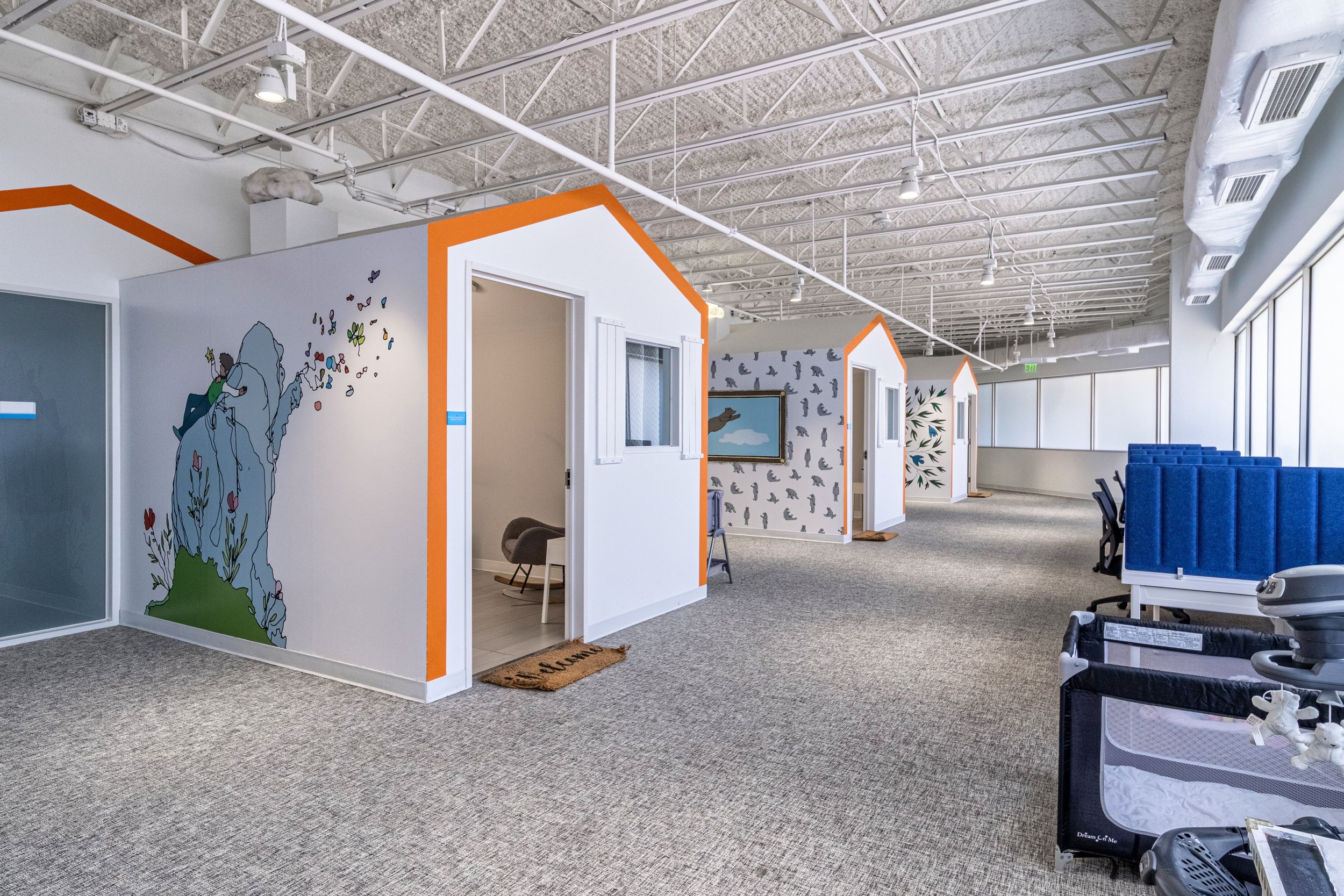
When children are removed from danger in the middle of the night, on weekends or holidays, our Night Response Support Program ensures they are welcomed into a space designed entirely around their needs.
Staffed by the Department of Family and Protective Services, caseworkers and children in the Night Response unit have access to:
Kid-friendly meals
Shower and laundry facilities
A place to rest
All resources stocked in the Rainbow Room

FUTURE PLANNING
I-Plan
I-Plan is a Community Partners of Dallas program that helps young people with lived experience in foster care turn future plans into progress.
By offering steady guidance and encouragement, I-Plan ensures youth aren’t navigating big decisions alone as they pursue their plan.
STRENGTHENING CHILD WELFARE
Caseworker Wellness
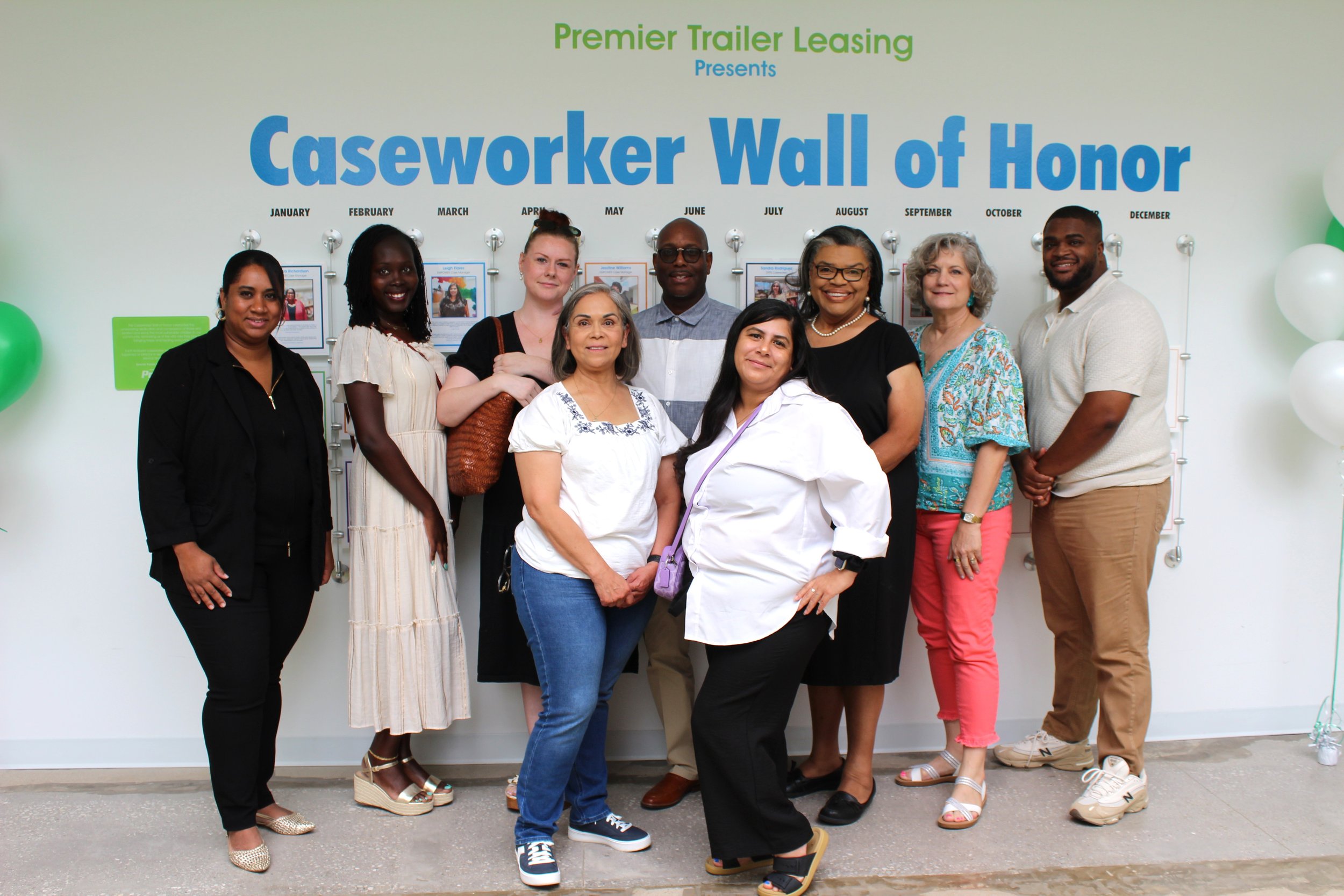
Community Partners of Dallas’ programs and services reach children through their state appointed caseworker, a role that carries immense responsibility for the immediate and long-term safety and wellbeing of children in their care.
Our Caseworker Wellness program supports frontline child welfare caseworkers through:
Self-care opportunities
Appreciation and morale-building events
Professional development
Leadership training for supervisors
Supporting caseworkers strengthens safety and healing for children in protective care and increases their chances of finding a permanent home.